


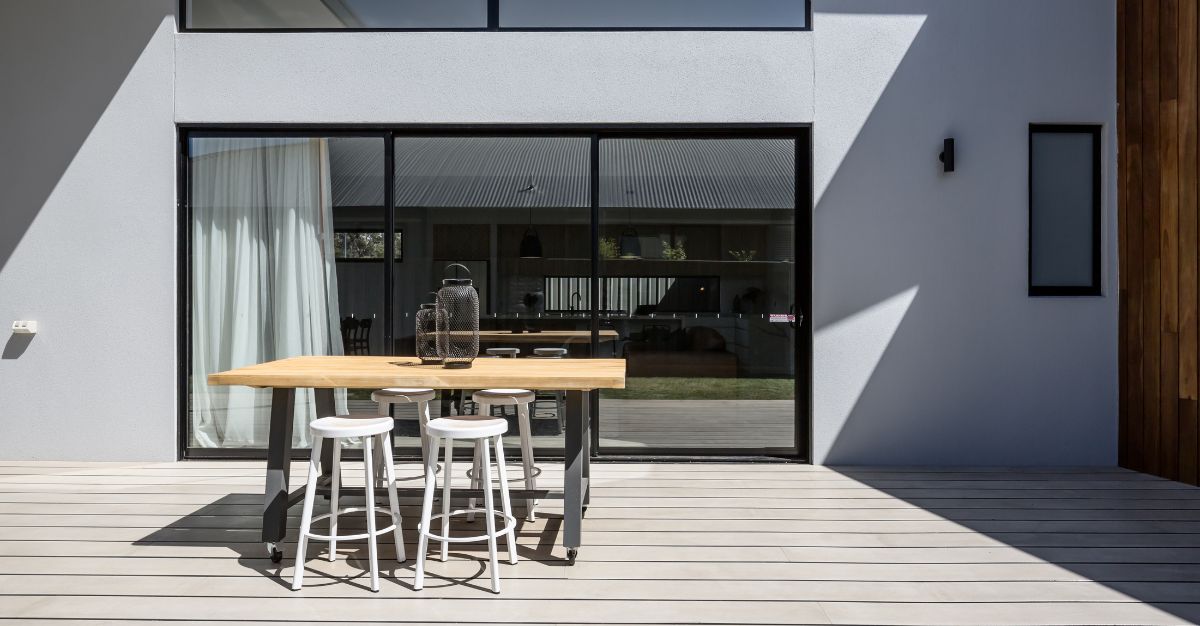
An outdoor timber deck is timber at its most exposed. Indoors, a floor lives in one narrow band of conditions. Timber decking in Singapore takes direct sun, standing rain and the wet-dry cycling between them, sometimes all in one afternoon. That is a workload, and it is a designable one. The decks that still look deliberate after years of weather are the ones specified as a system: species, substructure, drainage, fixing, finish and a maintenance rhythm the operator will keep. The boards are just the visible part.
What makes a timber suitable outdoors
Start with the species, and do not stop there. Outdoor performance rests on natural durability, the timber’s own resistance to decay and insect attack and on density; which governs how a board wears and how it holds a fixing. Although bothmatter,neither settles the outcome on its own. A Class 1 durability hardwood sitting on a substructure that traps water will fail earlier than a modest species detailed to drain and dry. Suitability belongs to the whole deck: what the board is, what carries it, how water leaves, how air gets back in and what the maintenance schedule promises to keep doing.
Species for outdoor timber decking
Dense Southeast Asian hardwoods have been used for outdoor work across the region for generations. The main species to consider include:
- Chengal: The regional benchmark for outdoor durability. It is hard, naturally durable and highly resistant to decay and termites, making it well suited to tropical exposure without preservative treatment.
- Balau: A durable hardwood at a different price point. It is also a proven choice for large-scale outdoor applications, including the solid balau decking supplied to National Gallery Singapore, which forms part of 23,200 square metres of timber work across the former Supreme Court and City Hall.
- Ironwood: One of the heavier, harder options, suited to applications where durability and strength are priorities.
- Burmese Teak: Naturally durable and distinctive in colour and grain, teak sits among the established hardwood choices for both interior and exterior applications.
Each species reads differently in colour and grain and each greys differently once the sun starts shining on it. This means the choice is a design decision and a site decision at once. The species logic we set out for interior hardwood applies outdoors with the volume turned up: what changes is exposure, fixing and finish.
Natural timber or composite
Since we supply both, we can describe them plainly. Natural timber gives you grain that runs through the board, warmth underfoot, and the slow colour change of a material that ages. Composite holds its manufactured appearance with less upkeep, and it will never look or feel like timber. Neither is the wrong answer. They have different appearance and maintenance profiles. The choice comes down to which profile the building’s operator will keep up with in year three; when the opening-day enthusiasm wears off. We have set the two against each other in an earlier comparison, so this piece stays with timber.
Where the deck sits changes what it needs
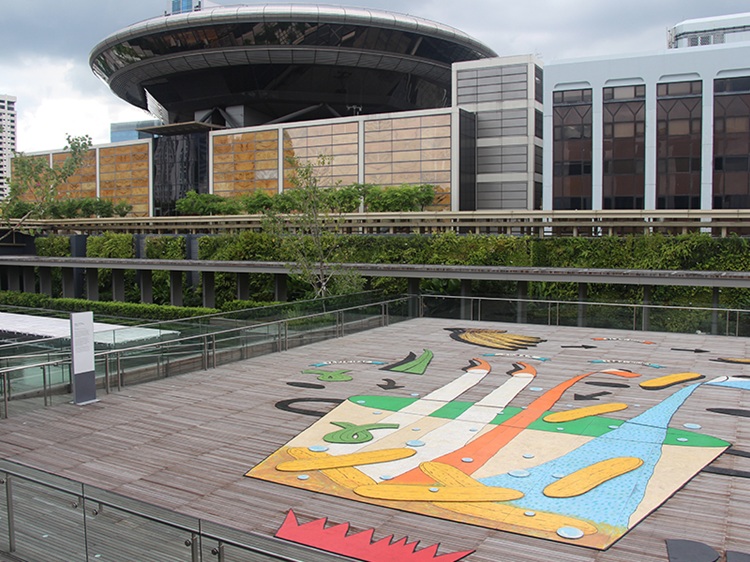
Timber decking gets specified across balconies, roof terraces, pool surrounds, garden walkways and hotel and restaurant frontages, and the applications differ less in the boards than in the exposure. A pool surround adds splash water and bare feet, so spacing, surface texture and fixing choice all tighten. A roof terrace takes the most sun and the most wind-driven rain, and its substructure usually sits over waterproofing that no fixing may puncture, which pushes the design towards pedestal and floating systems. A covered balcony is the gentlest duty on the list and will hold an oiled colour the longest. Same species, three different specifications.
The deck below the boards
Most of a deck’s life is decided below board level. As water needs a fall to leave by and air needs a way back in to dry what the rain has soaked.d. That means sizing and spacing the joists — the supporting timbers beneath the boards — to suit the board section, allowing falls for water to run off, and keeping the perimeter ventilated rather than sealed. Board gaps do two jobs at once: drainage and movement. Note that they are sized, never guessed. Fixing is a specification line of its own: concealed clip systems keep the walking surface clean, while face-screwed and plugged is the traditional detail and simpler to lift when access is needed. Stainless steel fixings, sealed cut ends and a considered edge detail complete the parts of the drawing that shape how the deck ages.
Movement, weathering and what maintenance buys
Timber outdoors moves with its moisture content, and outdoors the moisture content changes week by week. Boards swell across their width in wet spells and shrink in dry ones, which is what the installation gaps are sized against. Appearance shifts too: left uncoated, tropical hardwood greys within a year and a silvered deck is a legitimate finish when the project chooses it deliberately. Holding the installed colour is just as legitimate, but it requires oiling and regular cleaning as well as re-oiling, with the frequency depending on exposure and on how much colour drift the design can accept. What no timber deck offers is the maintenance-free version. Specify the appearance you want at year five, then specify the regime that gets there.
Before the deck is specified
A decking specification that survives procurement names the species and grade, the board section and lengths, the substructure and its falls, the fixing system, the gap, the edge and end details, the finish at handover and the maintenance regime after it, with availability and lead time agreed in the same conversation. This is where working with a timber decking supplier that manufactures, supplies and installs makes the specification easier to hold together: the species, the section and the detail come from one place, our solid timber is kiln and air dried specifically for this climate, and FSC-certified options are available where a project’s sourcing requirements call for them.
If there is a deck on your drawings, talk to us about the exposure it faces and the way it is meant to age. We will help you settle species, sections and detailing while they are still easier to change. Samples answer the colour and texture questions faster than any photograph, and the outdoor decking collection is the place to start.