


Natural Timber Decking vs. Composite Decking: Pros, Cons, and What to Consider
Natural Timber Decking vs. Composite Decking: Pros, Cons, and What to Consider
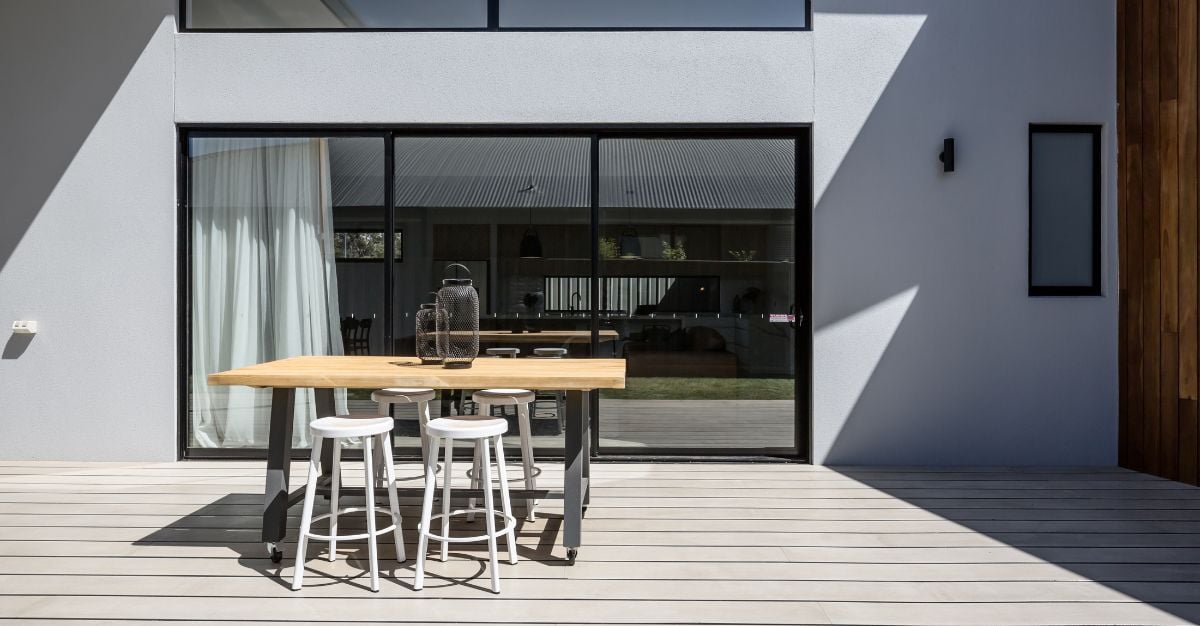
When planning an outdoor space, one of the most critical decisions is choosing between timber decking and composite decking. Both materials offer unique benefits and drawbacks, and selecting the right one depends on factors like durability, aesthetics, maintenance, and environmental impact. This guide provides
a detailed comparison to help you choose the best outdoor decking options in Singapore.
Understanding Natural Timber Decking
Timber decking is crafted from real wood, such as Teak, Merbau, or Chengal, offering a timeless and natural aesthetic. It provides a warm and organic feel, making it a popular choice for outdoor spaces.
Advantages of Natural Timber Decking:
- Authentic Aesthetic Appeal – The natural grains and rich textures of wood give an elegant and timeless look that blends seamlessly with
outdoor surroundings. - Strong and Durable – High-quality hardwoods like Teak and Ironwood are extremely resilient against heavy foot traffic and external elements.
- Cool Underfoot – Unlike composite decking, natural timber does not retain excessive heat, making it comfortable to walk on, even under direct sunlight.
- Eco-Friendly Option – Sustainably sourced timber decking from certified forests is biodegradable and has a lower carbon footprint than
plastic-based composites. Not forgetting that carbon stored in the trees’ biomass stays in the wood deck!
Drawbacks of Natural Timber Decking:
Higher Maintenance Requirements – Regular sealing, staining, and polishing are necessary to protect the wood from moisture, insects, and UV exposure.
Prone to Movement and Check-cracks – Due to Singapore’s humid climate, natural wood may expand, crack, or warp over time if not properly treated and maintained.
Understanding Composite Decking
Composite decking is made from a mix of recycled wood fibers and plastic, engineered to mimic the appearance of wood while offering enhanced durability and lower maintenance requirements.
Advantages of Composite Decking
- Low Maintenance – Unlike timber decking, composite requires no sanding, staining, or sealing. Occasional washing with soap and water is enough to
keep it looking new. - Highly Durable and Weather-Resistant – Composite boards are designed to withstand moisture, UV exposure, and heavy use without rotting, warping, or cracking.
- Eco-Friendly Decking Solution – Many composite decking options are made from recycled plastics and wood fibers, reducing the need for virgin timber and diverting waste from landfills.
Drawbacks of Composite Decking
Higher Upfront Cost – Quality composite decking materials can be more expensive than certain types of timber decking, although long-term maintenance savings may offset the initial cost.
Can Get Hot Under Direct Sunlight – Some composite materials retain more heat than natural wood, making them uncomfortable to walk on barefoot in
sunny conditions.
Synthetic Look and Feel – While manufacturers have improved composite aesthetics, some homeowners still prefer the authenticity of real wood over
synthetic alternatives.
Comparing Deck Materials: Cost, Durability, and Maintenance
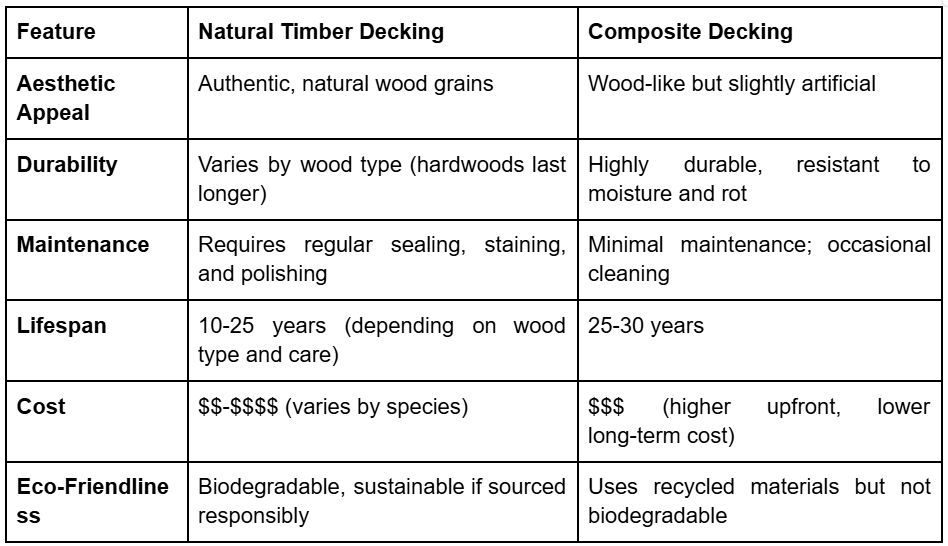
Deck Installation Cost in Singapore

The total cost of decking installation depends on factors such as material selection, labour costs, and deck size. While natural timber decking may have a lower initial cost, good quality composite decking provides cost savings in the long run due to minimal maintenance needs.
Eco-Friendly Decking Solutions
For homeowners prioritising sustainability, both decking types offer eco-conscious options:
- Sustainably Sourced Timber – Choose FSC-certified hardwoods that promote responsible forestry practices.
- Recycled Composite Materials – Many composite brands incorporate recycled plastics and reclaimed wood, reducing environmental impact.
- Eco-Friendly Finishes – Use non-toxic stains and sealants to protect timber decking without harming the environment.
Final Verdict: Which Decking Option is Right for You?
- Choose Natural Timber Decking if you want an authentic, natural aesthetic and don’t mind the maintenance required to keep it in top condition.
- Choose Composite Decking if you prefer a durable, low-maintenance option with long-term cost benefits and eco-friendly materials.
Both timber decking and composite decking have their merits, and the best choice depends on your budget, lifestyle, and design preferences. Investing in
high-quality materials and proper installation ensures a beautiful and long-lasting outdoor deck tailored to Singapore’s climate.
Your outdoor space should be an extension of your home—whether you choose the timeless charm of timber decking or the durability of composite decking,
the right choice enhances both aesthetics and functionality. If you’re still unsure which material best suits your lifestyle, let Wood&Wood help! Explore their range of outdoor decking options in Singapore on their website or get inspired by their latest projects on Instagram.